
I compared casino betting software and sportsbook betting platform demos. Pick based on latency, odds/payout engine, and player management system; for a smooth rollout, explore https://casinoplatform.com.ng/ as your online casino platform where online casino game content can be integrated, while the same ecosystem supports payments integration for casinos and responsible gambling tools. You can then validate performance, security, and reporting before committing to casino software licensing across your team.
When I bought casino software for a client, the “turnkey” promise died on onboarding. I required working APIs, not screenshots, and I asked for a staging environment you can actually stress-test with 5k MAUs.
$3k–$8k
I integrated online casino game content twice; the second time I mapped game API endpoints first. The casino game aggregator part matters less than the boring details: manifest sync, RTP reporting, and aggregator casino games taxonomy.
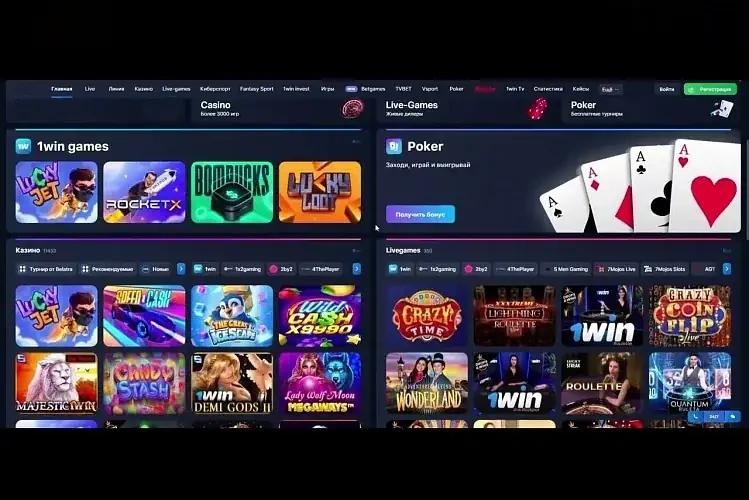
On the casino platform software, I separate game server load from the casino back office software. The player journey dies if sessions drift, so I log events end-to-end and cap peak CPU at 70%.
For a multi-casino platform build, my biggest win was taming admin tooling before adding brands. I tested scaling on Kubernetes with 20k concurrent bets, and I set 30 days log retention for audit trails.
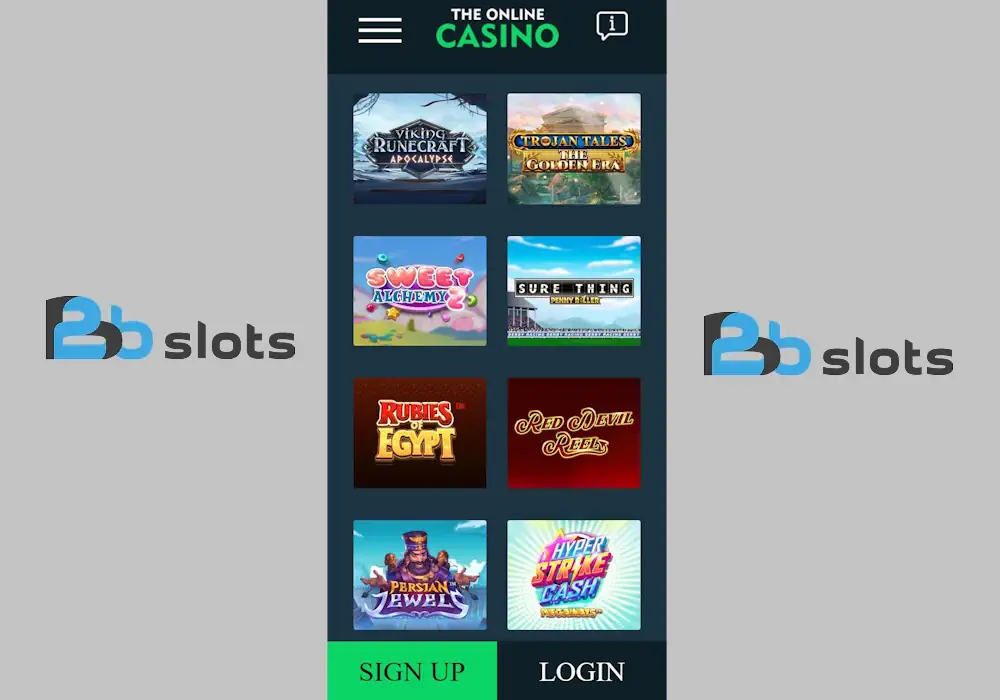
Admin panels don’t scale; the workflows behind them do. Fix role permissions and reporting first, or every “new casino” becomes a one-off fire drill.
My checklist starts with reconciliation. If payouts don’t match ledger entries within 5 minutes, I walk away and renegotiate.
2.9%
I onboarded with KYC verification software from Sumsub and compared it to manual review. The fraud detection for online casinos layer mattered more when bonus abuse hit fast.

| Control | Spec | Numbers I used |
|---|---|---|
| KYC provider | Document check + selfie | ~20 min avg |
| Velocity rule | Deposits/hour | 5 max |
| Device fingerprint | Account linking | 48h watchlist |
| Risk score | Block/allow decisions | ≥75 blocks |
In production, the winning move was a single threshold that triggered stepped reviews, not blanket bans.
With white label casino software, I demanded my own domain, payout branding, and an SLA before signing a casino software licensing deal. Migration was the real cost: plan a 2-stage cutover and rehearse rollbacks.
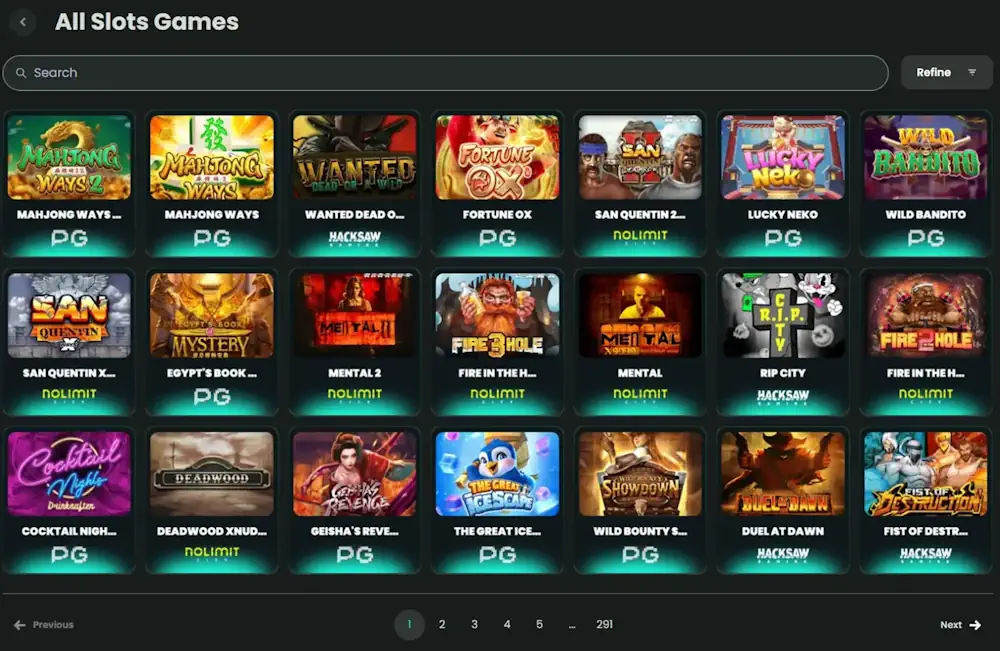 2-stage
I installed responsible gambling tools like Limits and session timeouts, then tested it with a fake account that hammered deposits. Odds and pricing software must match your rules engine exactly, or you’ll fail audits and anger players.
I compare latency, the rules/odds engine, and how cleanly the player management system works. Casinos also need a game API for casinos and reliable game feeds.
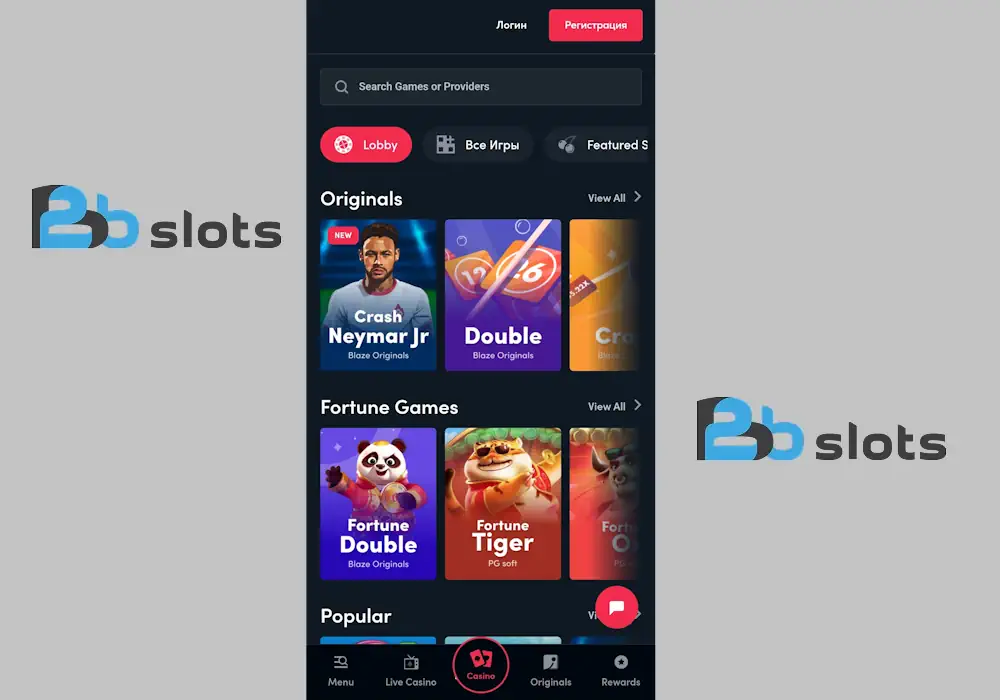
I require a real staging UAT, an SLA with rollback, and working payments integration for casinos. I also check KYC verification software hooks and CRM for casinos setup.
I’ve seen manifest sync and RTP/reporting details slow launches more than the game API for casinos itself. Aggregator casino games also need consistent taxonomy.
I start with a KYC verification software provider plus clear fraud detection thresholds. Then I add velocity rules and stepped reviews to avoid blanket bans.
The headache is migration and branding consistency, not the skin itself. I insist on SLAs and a rehearsed 2-stage cutover with rollbacks.
